
Archive
17 Oct How the Good In Vitro Method Practices Guidance Document Can Help Implement New Toxicological Approaches: A Case Study in China
Currently China is striving to adopt and implement non-animal, including in vitro, testing approaches for the safety assessment of cosmetics and ingredients. Collaborative efforts between industry and the Institute for In Vitro Sciences (IIVS, Gaithersburg, USA) have focused on the transfer of several OECD Test Guideline...
26 Jul Defined Approaches for EPA Testing
[vc_row row_type="row" use_row_as_full_screen_section="no" type="full_width" angled_section="no" text_align="left" background_image_as_pattern="without_pattern" css_animation=""][vc_column][vc_column_text]The US Environmental Protection Agency (US EPA) continues to drive significant efforts in the United States to modernize the battery of acute toxicity tests classically known as the “6-pack.” Known for many years as an “all in vivo”...
01 Feb IIVS e-News – January 2018
Featured in this issue is an article on how an integrated approach to skin sensitization testing can work for your testing program. a preview of IIVS events and posters at SOT, our recent collaboration with BASF to distribute the LuSens test in China, and more. ...

09 Jan IIVS and BASF Collaborate to Distribute Test Method to Replace Animal Testing in China
GAITHERSBURG, MD – January 9, 2018 – The Institute for In Vitro Sciences, Inc. (IIVS) today announced a collaboration with BASF to import a non-animal, cell based, safety test into China. The LuSens test, developed by BASF, is an in vitro test to detect the...
24 Aug Human Cell Line Activation Test (h-CLAT, OECD 442E)
[vc_row css_animation="" row_type="row" use_row_as_full_screen_section="no" type="full_width" angled_section="no" text_align="left" background_image_as_pattern="without_pattern"][vc_column width="2/3"][vc_column_text]The human Cell Line Activation Test (h-CLAT) is a cell-based assay that identifies skin sensitizers by examining changes in the expression of cell surface markers (CD54 and CD86) implicated in dendritic cell activation, the third key event of the skin sensitization AOP. Following exposure of the THP-1 human monocyte cell line to the test substance, expression levels of CD54 and CD86 are quantified by flow cytometry and compared to controls.24 Aug Direct Peptide Reactivity Assay (DPRA, OECD 442C)
[vc_row css_animation="" row_type="row" use_row_as_full_screen_section="no" type="full_width" angled_section="no" text_align="left" background_image_as_pattern="without_pattern"][vc_column width="2/3"][vc_column_text]The DPRA (OECD 442C) is an in chemico assay that models the first key event in the skin sensitization Adverse Outcome Pathway (AOP) - skin, protein reactivity. Compounds implicated in causing Allergic Contact Dermatitis (ACD) are generally electrophilic in nature. This assay identifies dermal sensitizers based on their reactivity with synthetic peptides containing the nucleophilic amino acid residues lysine and cysteine. Using LC/UV, conjugation of the test material with the peptides can be analyzed.
24 Aug Fragrance & Flavors
[vc_row row_type="row" use_row_as_full_screen_section="no" type="full_width" angled_section="no" text_align="left" background_image_as_pattern="without_pattern" css_animation=""][vc_column width="2/3"][vc_column_text]Exposure to fragrance chemicals is most commonly by direct skin contact. Allergic contact dermatitis (ACD) to fragrance ingredients is most often caused by cosmetic products, such as perfumes, deodorants, and aftershave products. Cosmetic fragrance ingredients should be assessed for...
24 Aug Cosmetics & Personal Care
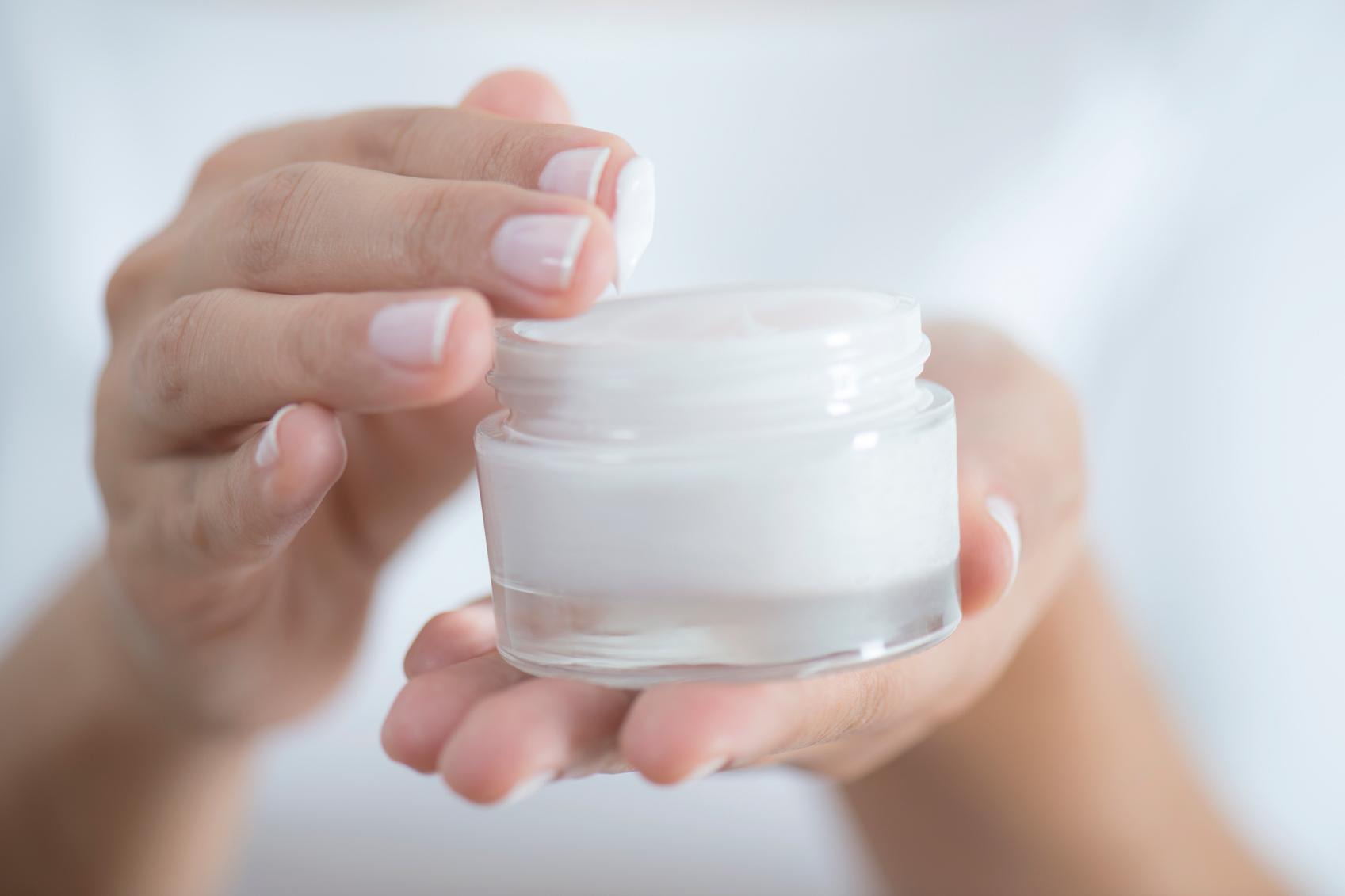
[vc_row row_type="row" use_row_as_full_screen_section="no" type="full_width" angled_section="no" text_align="left" background_image_as_pattern="without_pattern" css_animation=""][vc_column width="2/3"][vc_column_text] European legislation and US research activities towards ‘21st century toxicology’ are setting the standards for animal-free toxicological assessments and the cosmetics industry has been the first to feel the effects. As per EU Regulation 1223/2009, animal testing...
24 Aug Skin Sensitization
[vc_row css_animation="" row_type="row" use_row_as_full_screen_section="no" type="full_width" angled_section="no" text_align="left" background_image_as_pattern="without_pattern"][vc_column][vc_column_text css=""][child_pages link_titles="true" page_ids="582103" cols="1"] [child_pages link_titles="true" page_ids="606,2221,607,553549,557479, 596763,725464"] [child_pages link_titles="true" page_ids="592458" cols="1"][/vc_column_text][/vc_column][/vc_row]...
- 1
- 2